
SB Profiles
A Clear Vision for Growth
Local optometry clinic Eye Eye celebrates a decade in business and prepares to debut its first line of frames.
By Rachel Eggers March 9, 2026

This article originally appeared in the January/February 2026 issue of Seattle magazine.
In Leschi Park, overlooking Lake Washington, towers one of Seattle’s many historic trees, a giant sequoia planted sometime in the early 20th century. Just down the street on Lakeside Avenue is the second location of eye clinic and shop Eye Eye, where Dr. Will Pentecost seems to be borrowing some of the leafy specimen’s energy. “I view my practice as a tree,” he says. “If you were growing a tree, you’d probably be frustrated after a few years, right? But that’s not what that project would take. I feel like we’ve got a healthy trunk, we’ve put our roots in strong soil.” Thanks to an ethos of patiently building client relationships, he and his team of 12 have now grown 10 rings around the trunk of the clinical venture, marking a decade in business as of 2025.
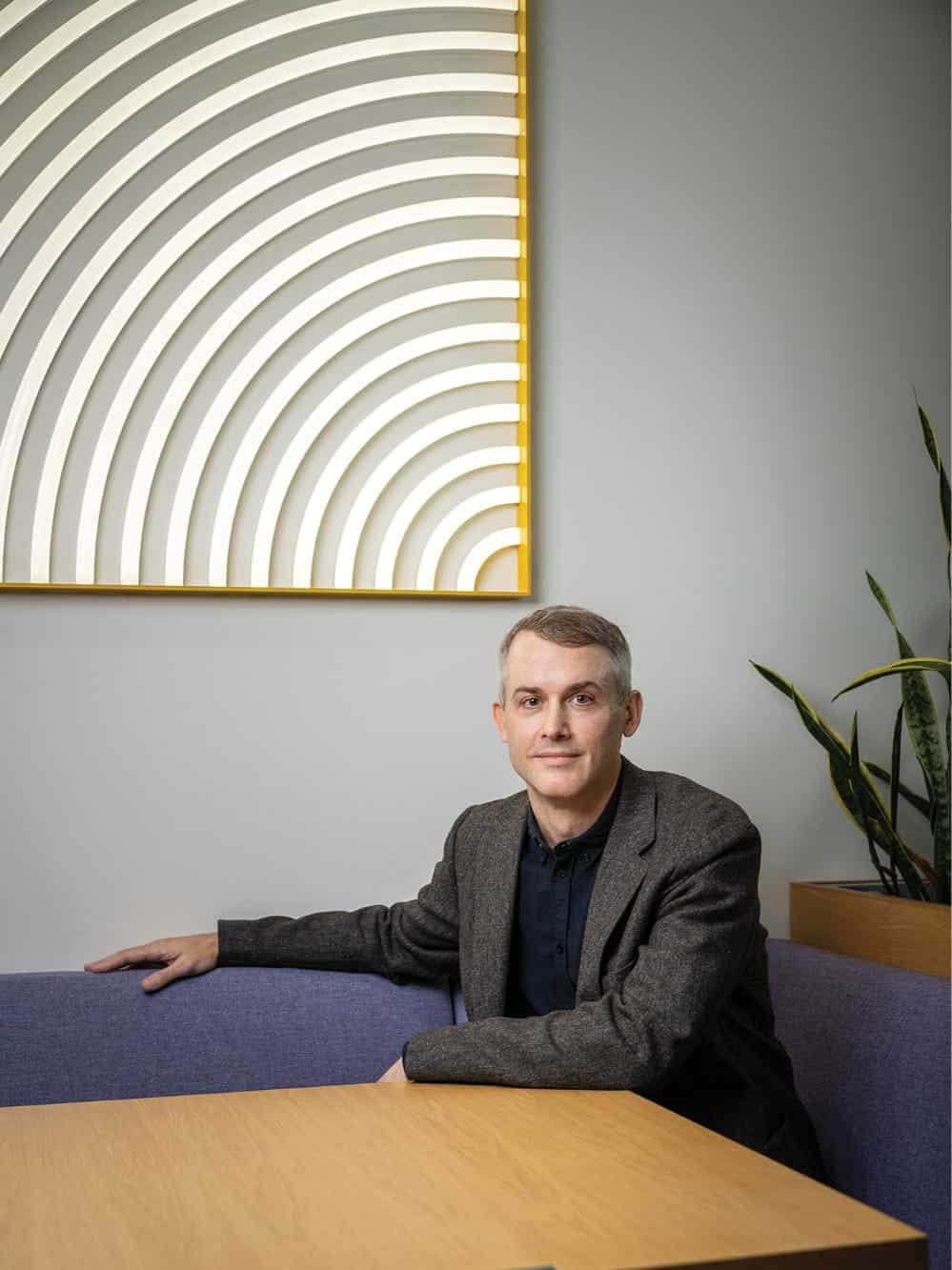
Pentecost studied optometry in his hometown of Memphis, Tennessee. “Just like everyone in my class in optometry school, I had bad vision,” he says. But the real inspiration was the profession’s unique blend of medicine and business, delivered one-on-one from doctor to patient. After graduating, he found his way to Seattle. “It turned out to be a good place to be an optometrist, because there’s a lot of nerds here,” he says affectionately. It was a good time, too; a renaissance in eyewear fashion had begun, and it would become a cornerstone of Eye Eye’s brand.
It was while working at the clinic connected to Eyes on Fremont that Pentecost met Milli Militi, a former PR and marketing professional turned optician. “Milli helped pick out some glasses for me, and I immediately recognized her talent,” says Pentecost. When he set out to hang his own shingle in 2015, she was the first person he approached; she joined Eye Eye within its first few months, and they began building a clientele at the original Capitol Hill location. “For just the two of us, any amount felt like success if people were coming in and having fun,” Pentecost says, noting that building a clientele takes time—and patience. “Ultimately, we’re creating a lifetime patient who’s going to come back.”
Pentecost did that by understanding—and commiserating with—his patients’ experiences of navigating vision care. “The first thing most practices do is join the vision insurance network panels so that they’ll be preferred providers, and then they build their practice based on the extra rules that the insurance companies have,” he says. “I had worked at a lot of different places as an associate doctor and seen what it was like, and I thought, ‘What if I built my practice based on what I thought would be best for the patient or the customer?’” Clinic director Katie Shawver now leads their efforts to help patients navigate their insurance so they have the most flexibility in terms of their benefits; many are going out of network because they appreciate the Eye Eye experience.
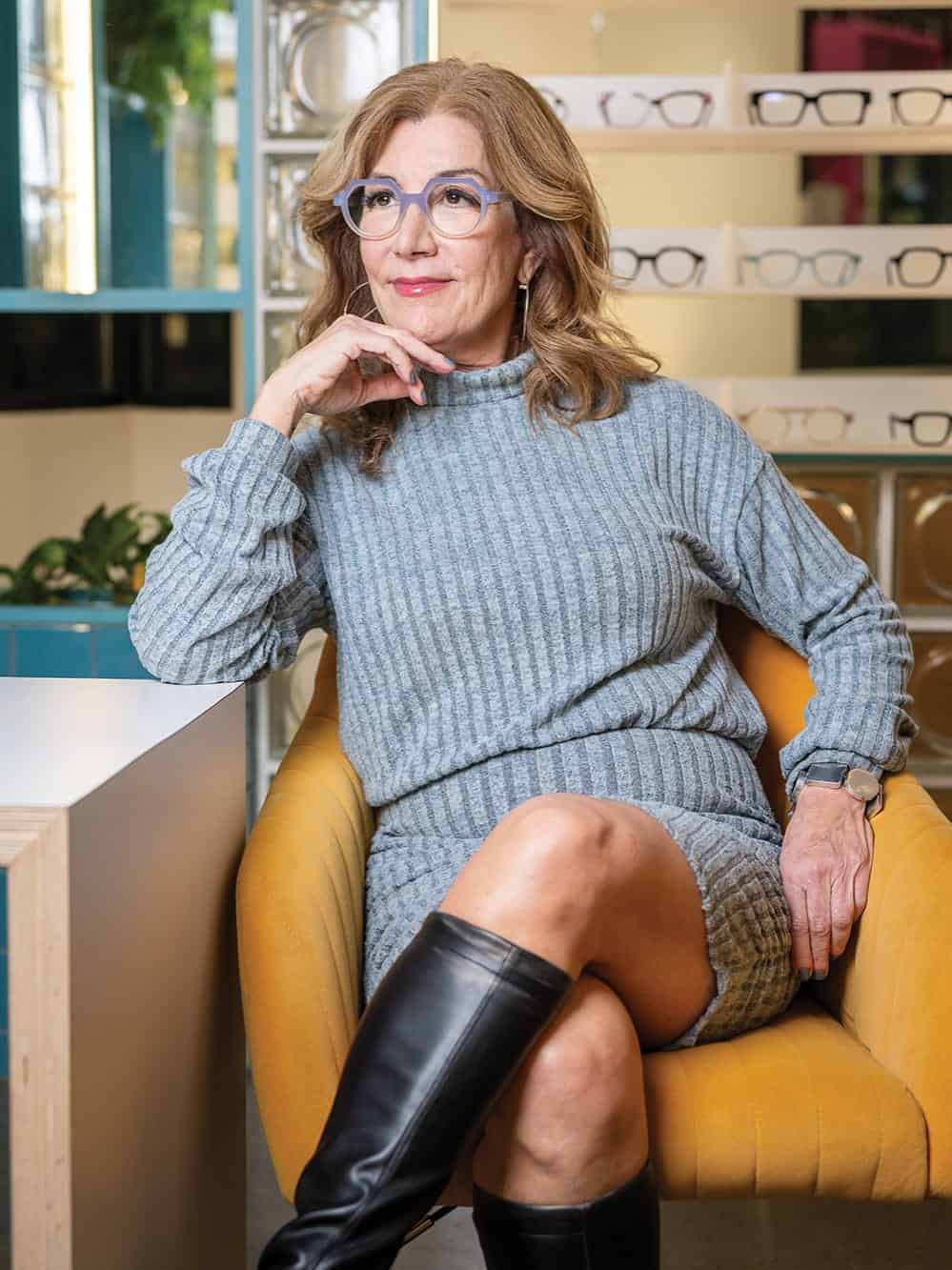
With paperwork off their minds, patients shopping for frames can focus on exploring Eye Eye’s selection of 40 independent brands thoughtfully assembled by Militi, the clinic’s chief eyewear curator. And there’s room for one new upstart brand: Eye Eye is set to debut its namesake line in March with three designs. “We’re starting with classic, wearable shapes at an affordable price,” says Pentecost. “Something people will be happy to wear—and happy with the price.” Each style is gender neutral, available in a few colorways, and made by a manufacturer in Utah. There’s a vintage-inspired round style with a keyhole bridge, a larger rectangular design with a Clark Kent vibe, and finally, an on-trend modified aviator shape.
“What’s going to differentiate us is that you get a real human who knows how to adjust your glasses properly to be comfortable. It’s an art form because every face is unique.”—Dr. Will Pentecost
As Pentecost looks to the future, he’s curious about innovations in eye care and potentially changing attitudes towards glasses and contact lenses, but he’s confident in what he and his team have built. “What’s going to differentiate us is that you get a real human who knows how to adjust your glasses properly to be comfortable,” he says. “It’s an art form because every face is unique.” He compares it to getting fit for a custom suit or dress, with a checklist of factors—prescription strength, head and face shape, and aesthetic and lifestyle—informing the search. “Fractions of a millimeter matter,” he says. And the love for glasses hasn’t waned yet. He admits to the professional hazard of noticing glasses everywhere, whether it’s watching a post-game sports conference, the Oscars, or just the streets of Seattle. “And everytime I see it, I smile.”